

Senegal
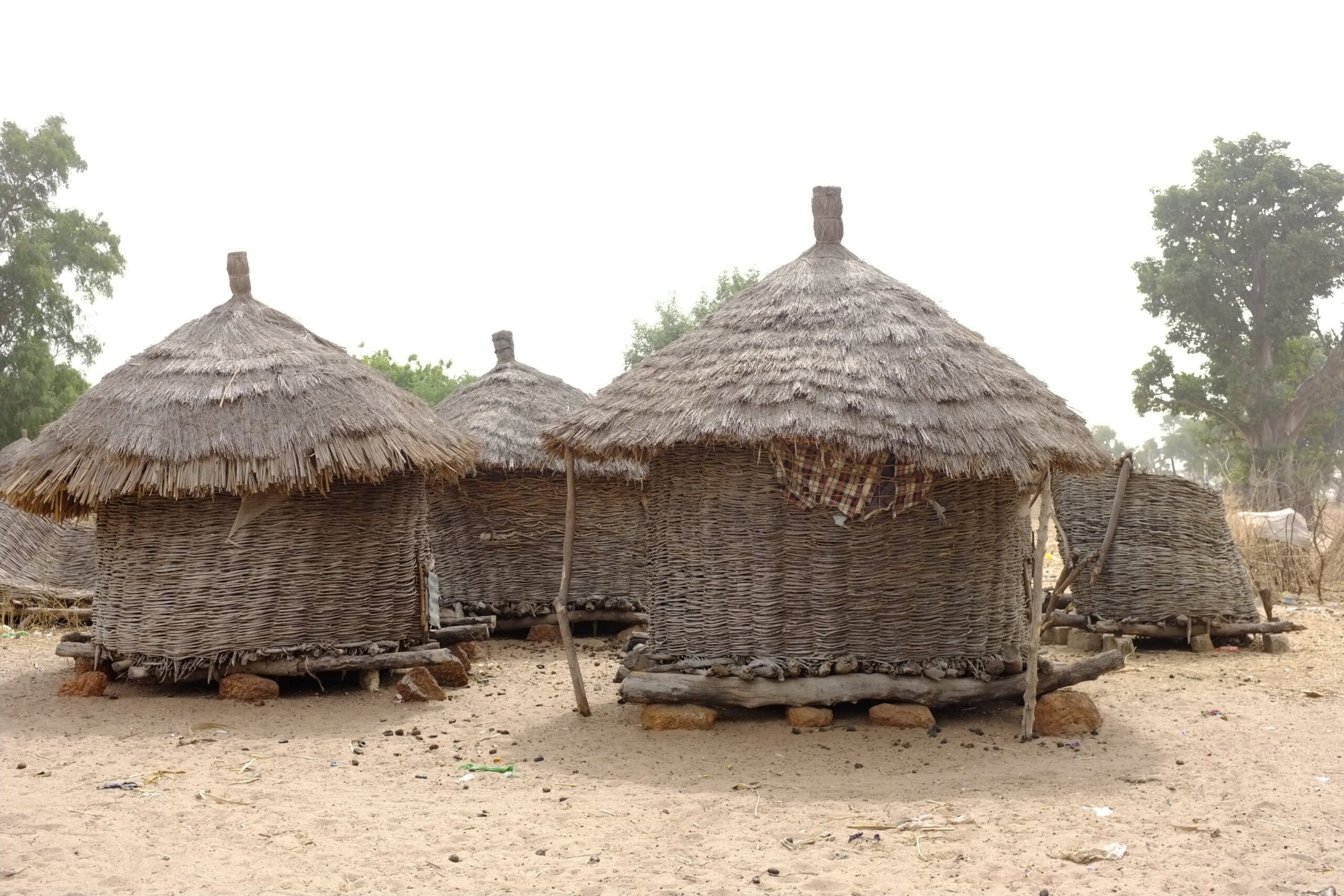
Senegal, located at the westernmost point on the African continent, has Dakar as its capital. Senegal is one of the very few Muslim countries that enjoy freedom of religion and the freedom to share the gospel. However, of its 18.03 million population (2023), approximately 90% are Muslim, 5% are animistic, and about 5% are Roman Catholic. Although the Paris Mission sent its first Protestant missionary to Senegal in 1863, the number of evangelicals remains small, and over 18 million lost souls still await salvation.
Since Senegal gained independence from France in 1960, it has been trying to gain income equality for urban poor and rural residents. There are significant needs in education, healthcare and basic necessities for them. In late 2011, AGS began sending international members to Senegal to assist in the social needs of the poor. Currently, our international member is dedicated to sharing the Lord’s love and life-changing good news with the local people through medical and community services.
Education Ministry
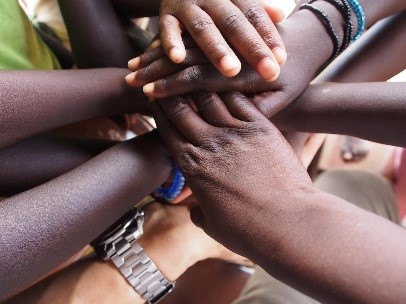
Children under the age of 15 make up 39% of the total population (2023). Although Senegal has long implemented universal education, the overall education level is low. The problems of street children and child laborers being out of school are very serious, and many school-age children in rural areas do not receive formal education, leading to a continued spread of illiteracy. The unemployment rate remains high, and more than 70% of the population lives in poverty. In addition to supporting two rural Christian schools, Lac Rose and Thiadiaye, AGS is currently working with partners to build a school in Mboro town, hoping that children will receive a quality education.
Rural Evangelism
Children under the age of 15 make up 39% of the total population (2023). Although Senegal has long implemented universal education, the overall education level is low. The problems of street children and child laborers being out of school are very serious, and many school-age children in rural areas do not receive formal education, leading to a continued spread of illiteracy. The unemployment rate remains high, and more than 70% of the population lives in poverty. In addition to supporting two rural Christian schools, Lac Rose and Thiadiaye, AGS is currently working with partners to build a school in Mboro town, hoping that children will receive a quality education.